

IGP Cévennes
A CLIMATE CONDUCIVE TO VINE-GROWING
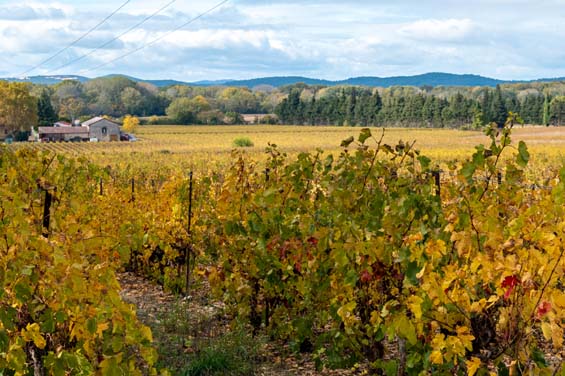
The Cévennes Vineyard is located in the south of France, near the Cévennes mountain range from which it takes its name. This geographical location offers many advantages for winegrowing: it benefits from northerly winds and significant daily temperature variations, and this region greatly contributes to the quality and ripening of the grapes!
This climate allows for the production of three types of wine, each with its own unique characteristics. The red wines combine aromatic intensity with refinement, while the white and rosé wines are known for their smoothness and freshness—and are especially popular during the hot summer months!

THE CEVENNES TERROIR: A CONSTELLATION OF COLORS
The vineyards are planted on four types of soil: schist, clay-limestone, acidic, and on the Piedmont alluvial plain.
Schist soils are composed of rock that is generally brown in color, with shades ranging from green to red, creating a magnificent mosaic of colors!
Clay-limestone soils contain minerals, clay, and organic matter alike and are highly prized by winemakers.
Clay-limestone soils easily retain rainwater and heat!
Alluvial soils originate from river floods or strong torrents that have deposited various sediments. As a result, they are rich and ideal for growing vines.
THE DIFFERENT GRAPE VARIETIES: AGE-OLD KNOW-HOW
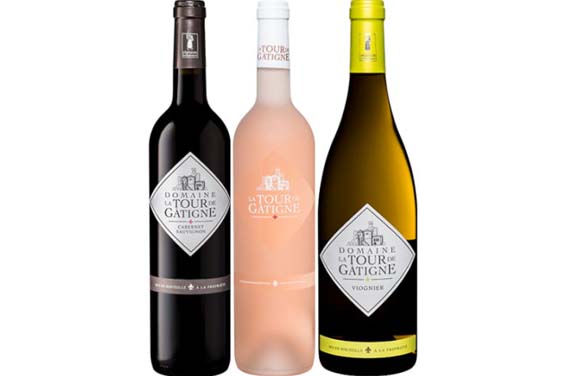
The wide temperature range and the intense, irregular rainfall in this region give the grape varieties aromatic intensity and vibrancy, particularly for the red varieties that are aged in oak barrels (Merlot, Cabernet Sauvignon, Grenache, and Cinsault). The traditional white grape varieties are Grenache and Clairette, which have been quickly supplemented by new varieties such as Sauvignon, Viognier, and Chardonnay.
PROHIBITED GRAPE VARIETIES
These are very hardy American grape varieties that were introduced to France in the 19th century: Clinton, Isabelle, Noah, Othello, Jacquez, and Herbemont. They are not included in the Cévennes PGI because they were banned, although they are still grown on private plots for home use.
Key figures
-

60 Private cellars
-

20 Cooperative wineries
-

80,000 Hectolitres
-

80% of sales are local
The Protected Geographical Indication (PGI) refers to an agricultural product whose characteristics, quality, or reputation are linked to the geographical area where it is produced or processed. In the wine sector, the steps from grape harvest to wine production must take place within the defined geographical area.
The decision to choose the Protected Geographical Indication was no accident! The PGI is the perfect fit for winemaking in the Cévennes. The wines must meet numerous criteria and undergo inspection procedures carried out by an independent body accredited by the National Institute of Origin and Quality.
AN AREA RICH IN DISCOVERIES!
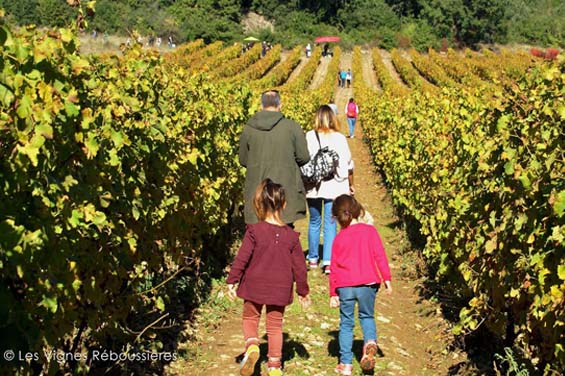
Over the years, the region has seen significant growth in its tourism industry! The region’s wine tourism offerings have become more diverse, earning the destination the “Vignobles et Découvertes” certification in 2017.
Throughout the year, the Cévennes wine region organizes numerous wine tourism events to promote and showcase its territory and heritage.